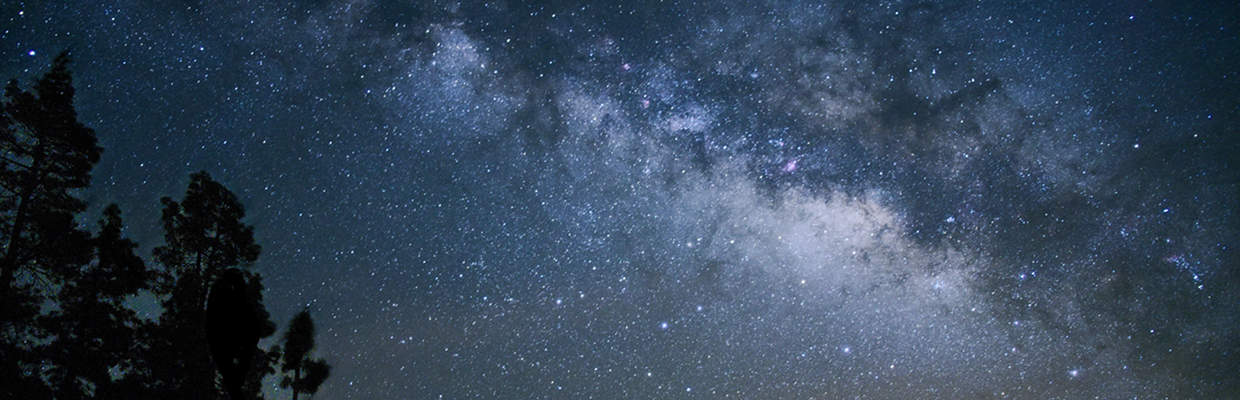
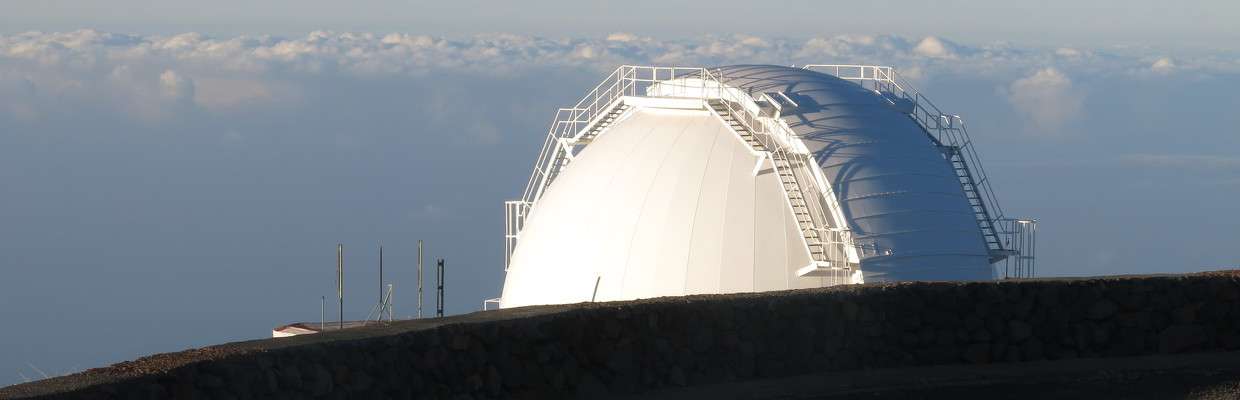
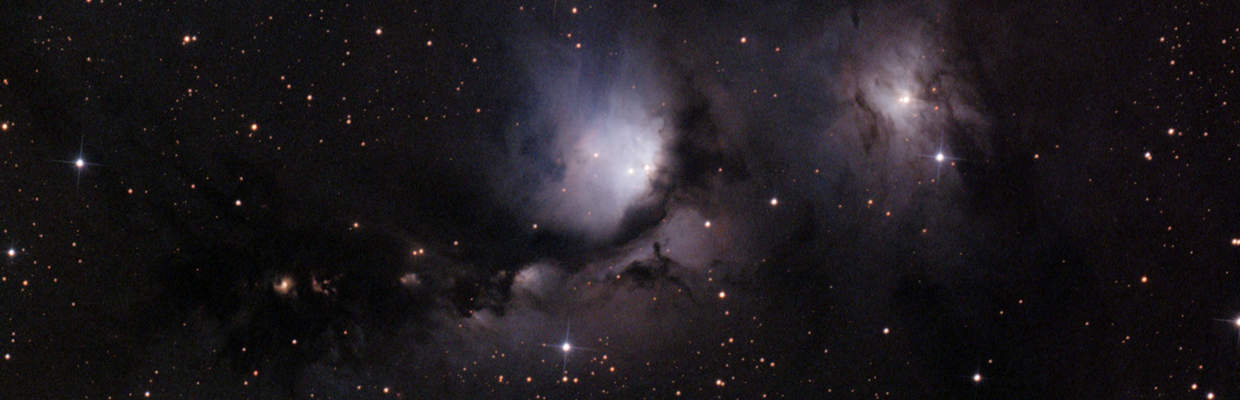
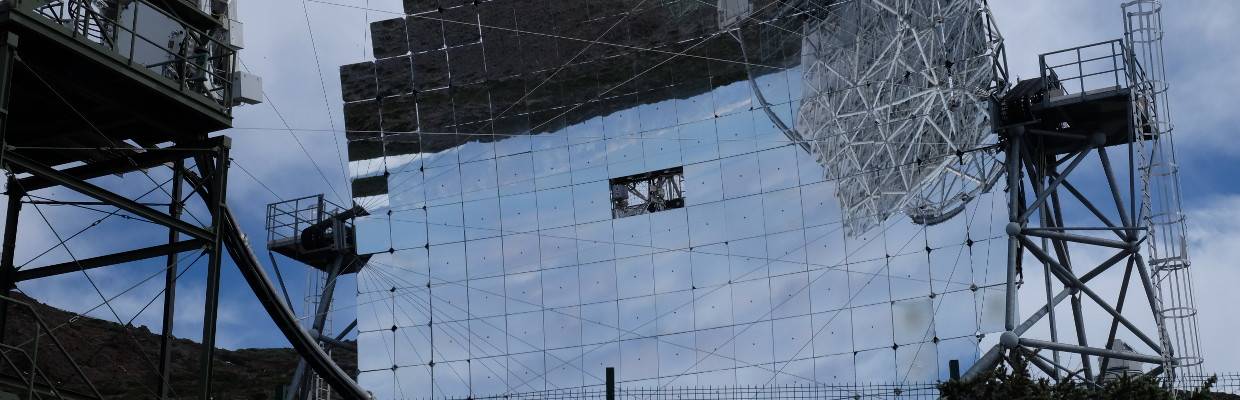
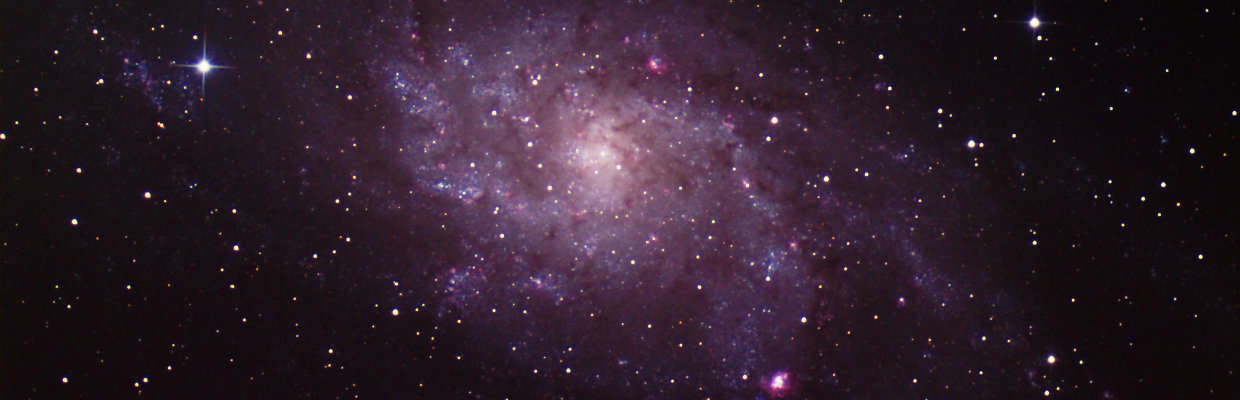
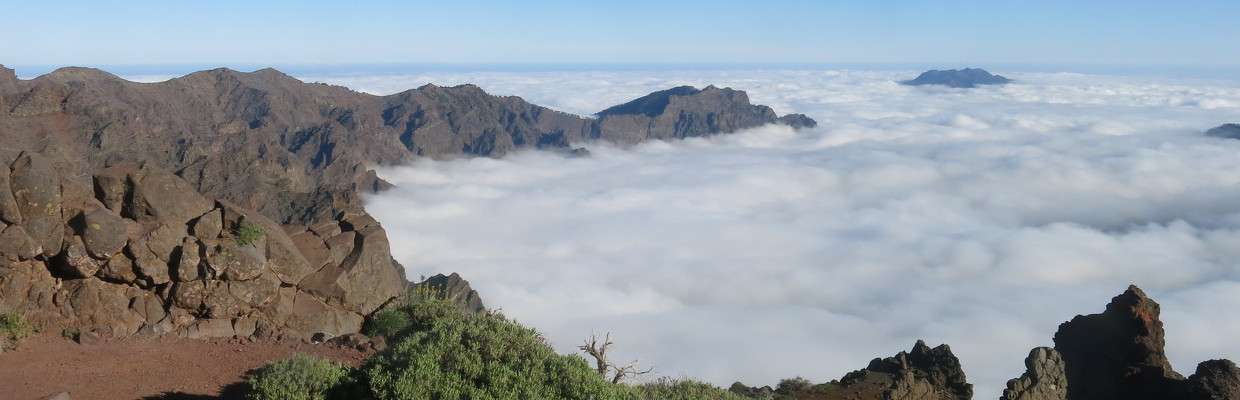
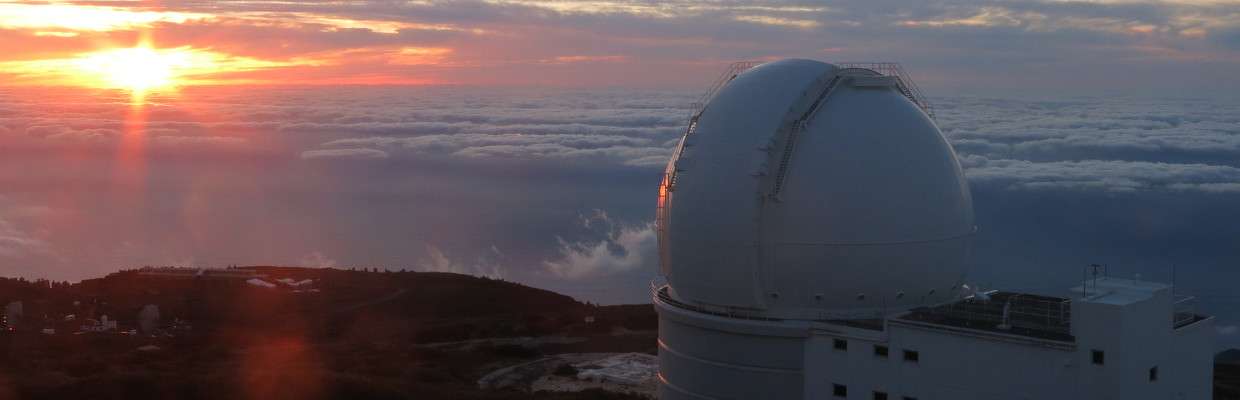
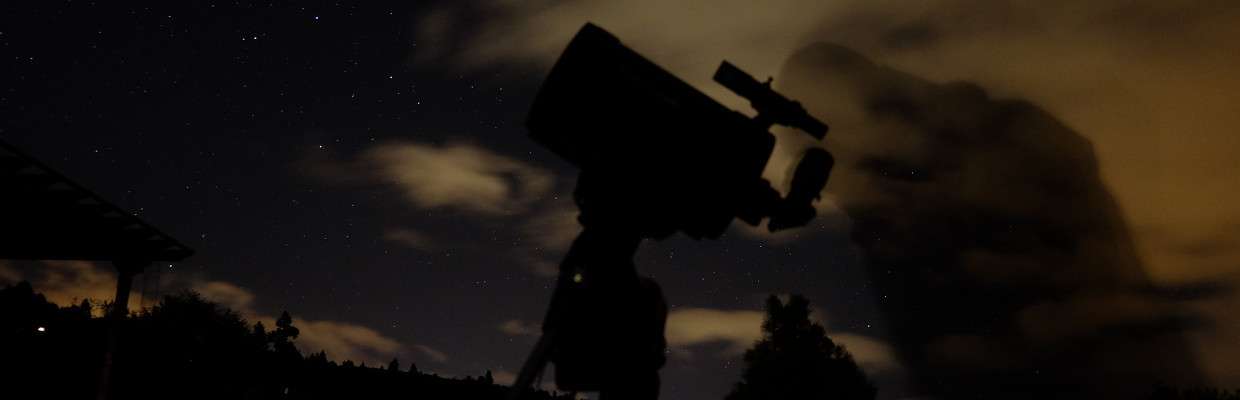
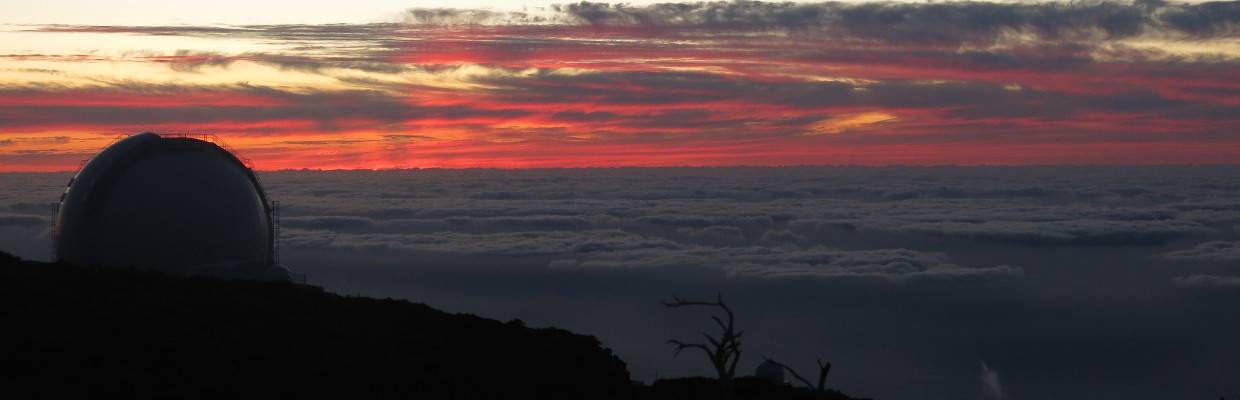
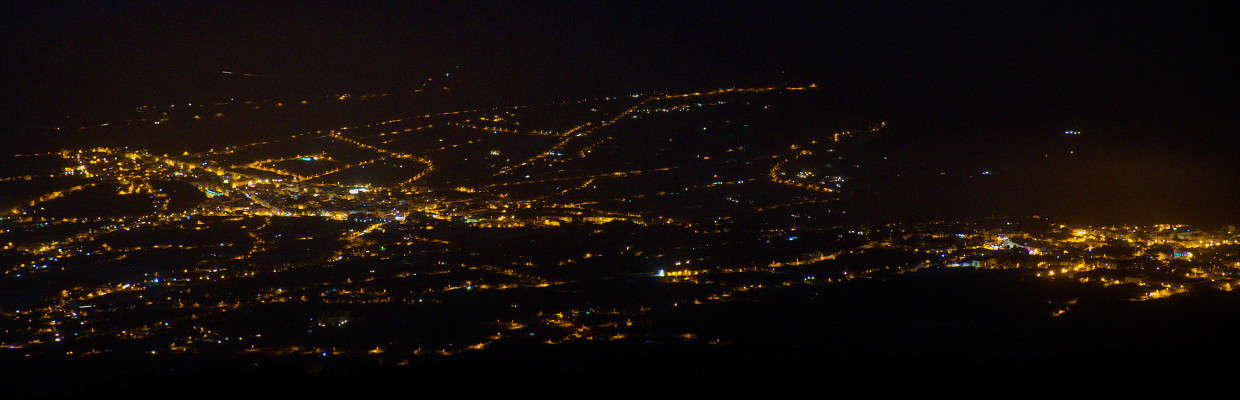
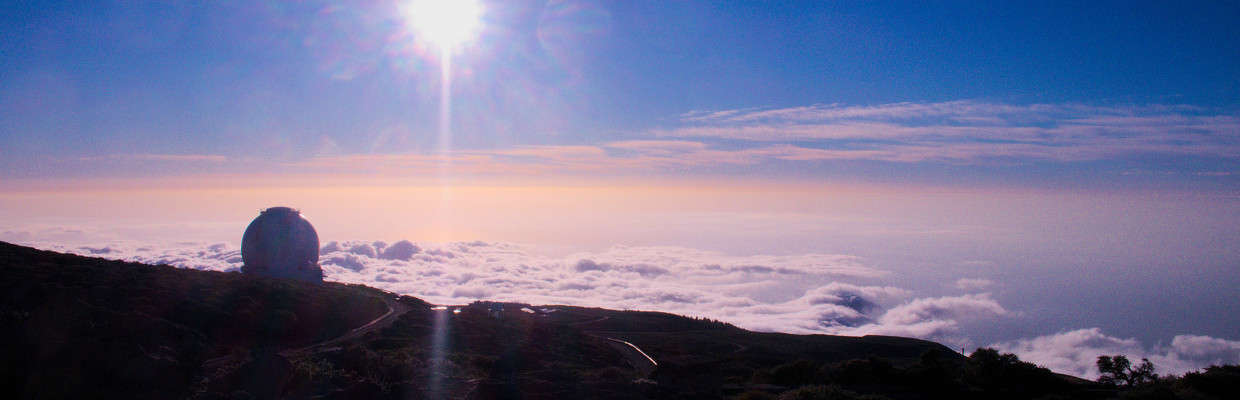
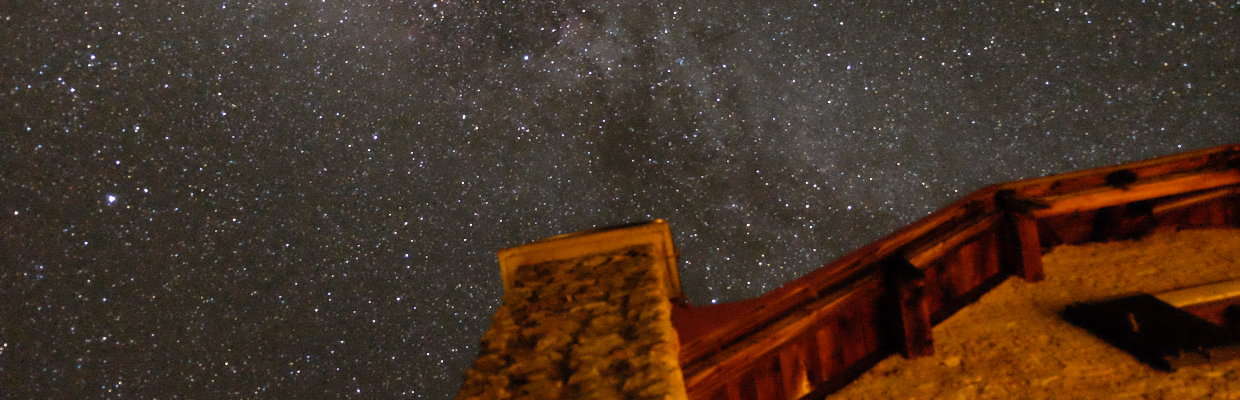
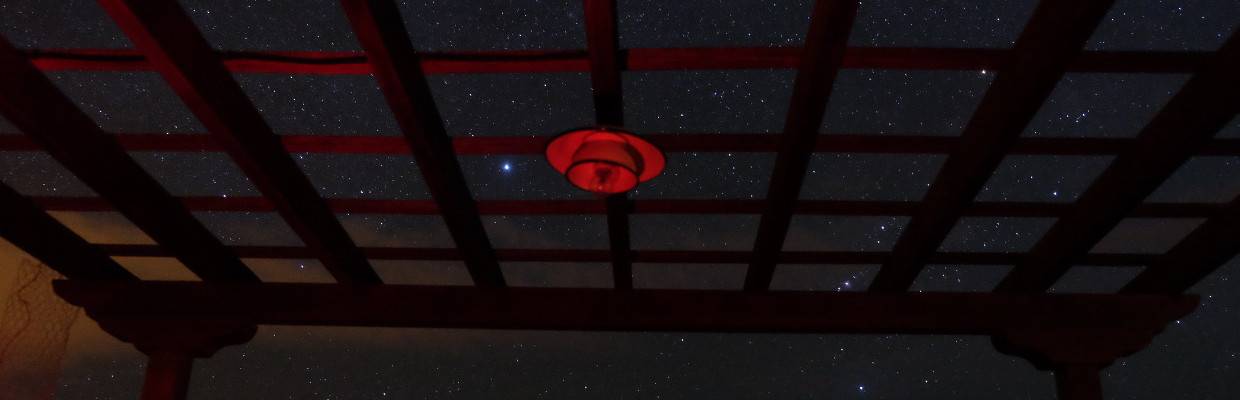
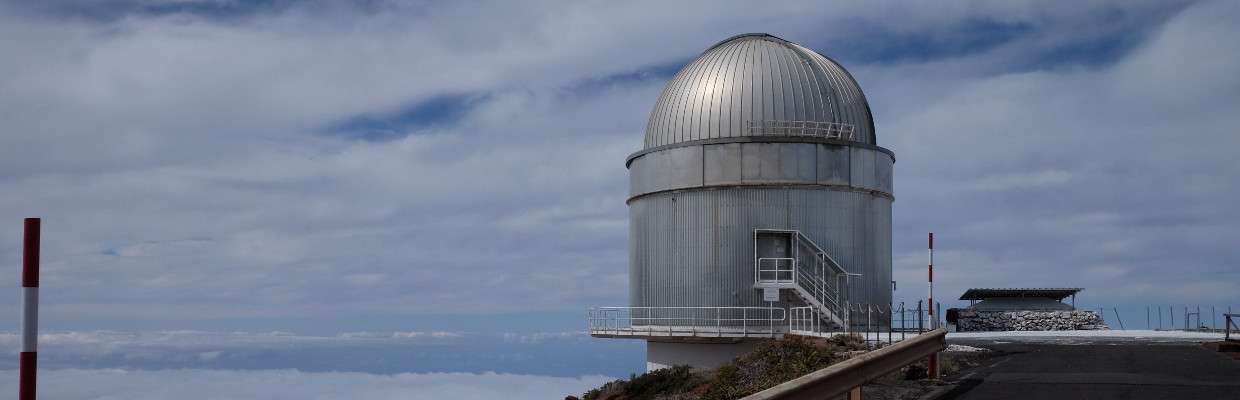
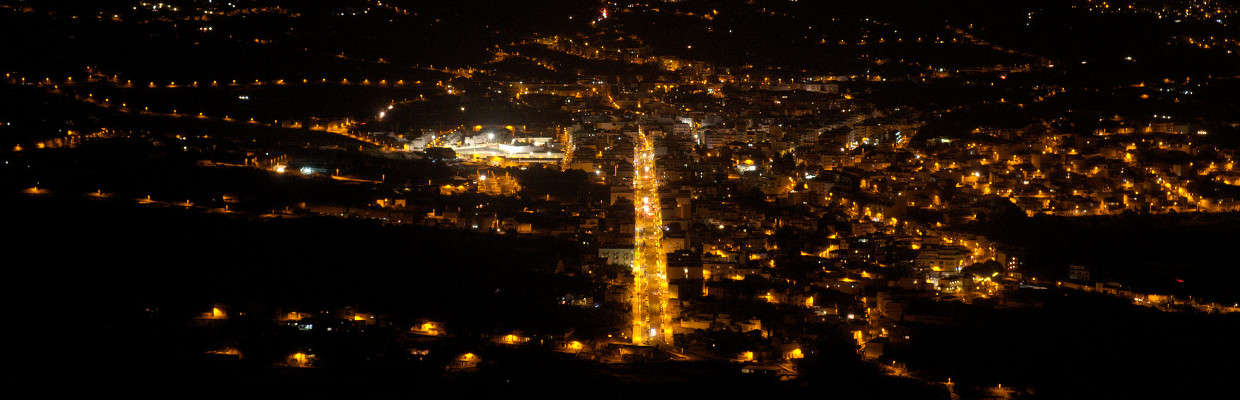
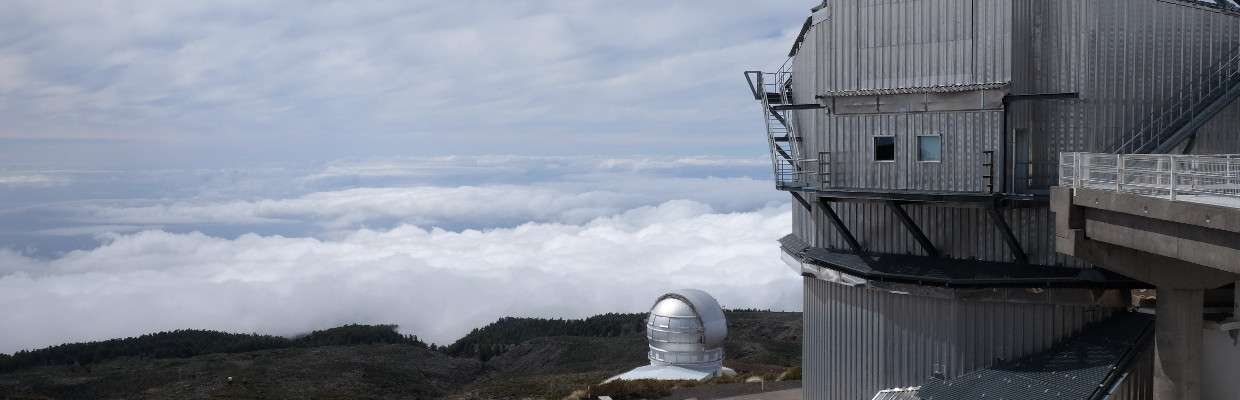
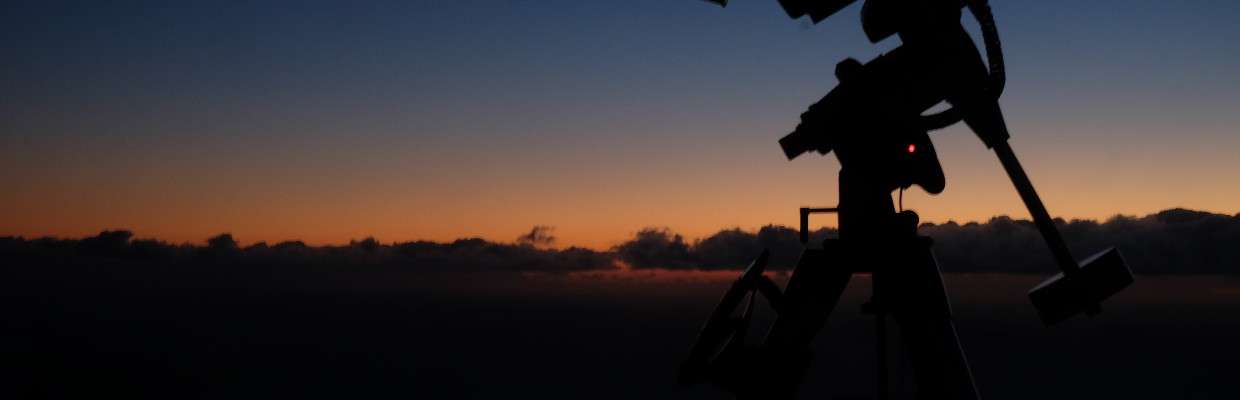
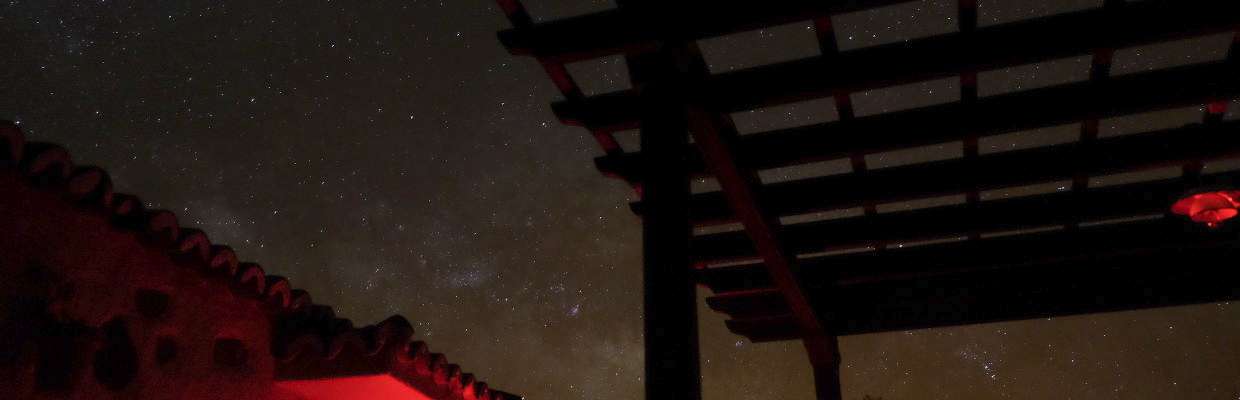
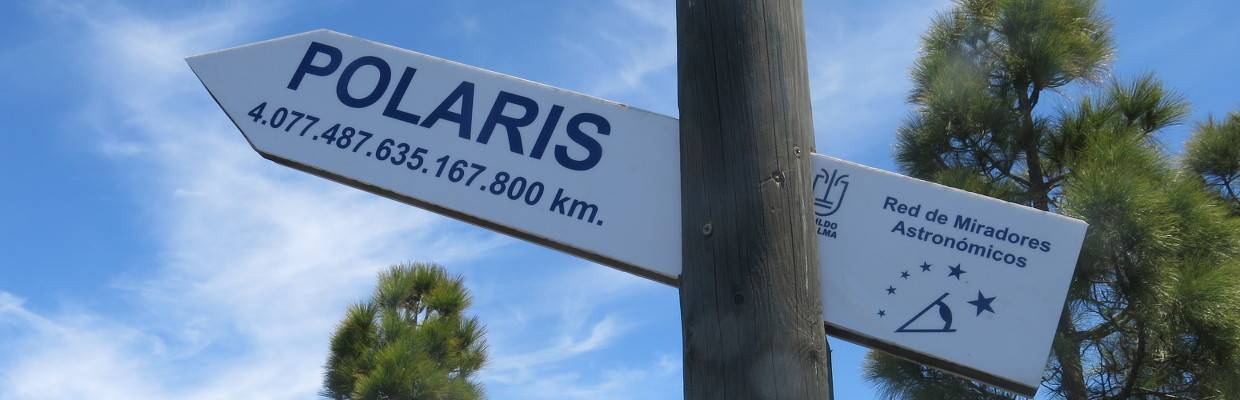
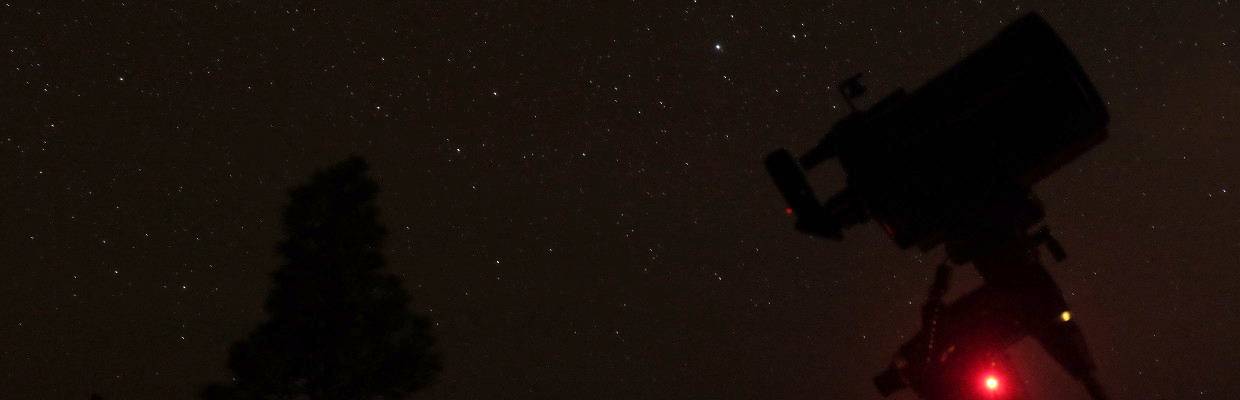
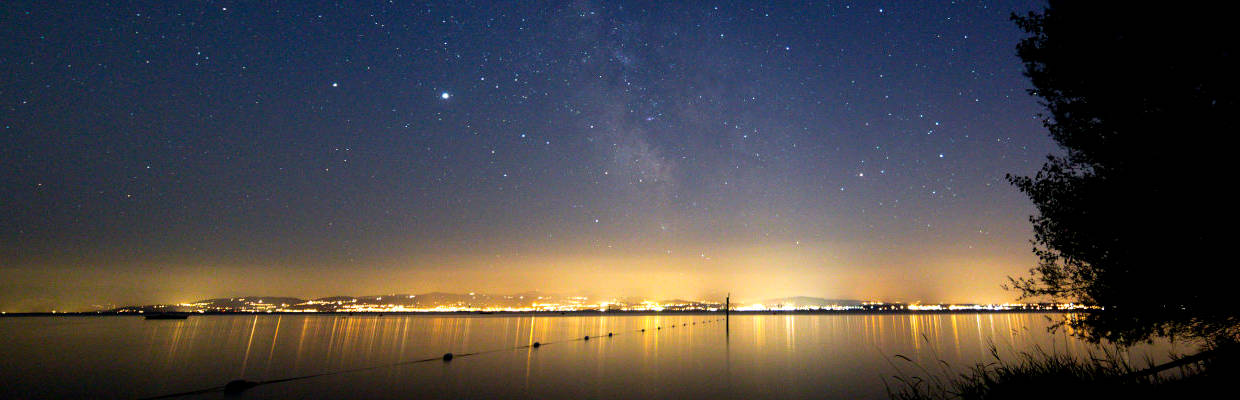
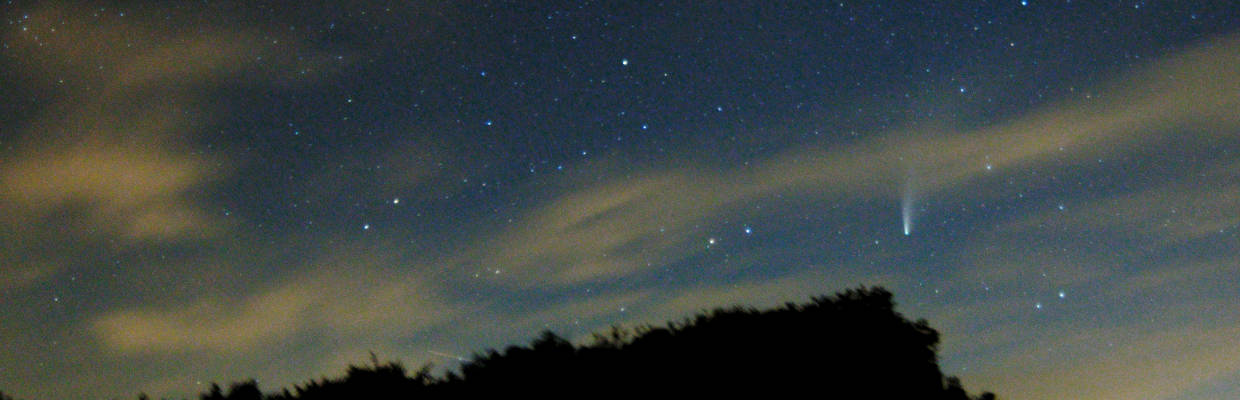
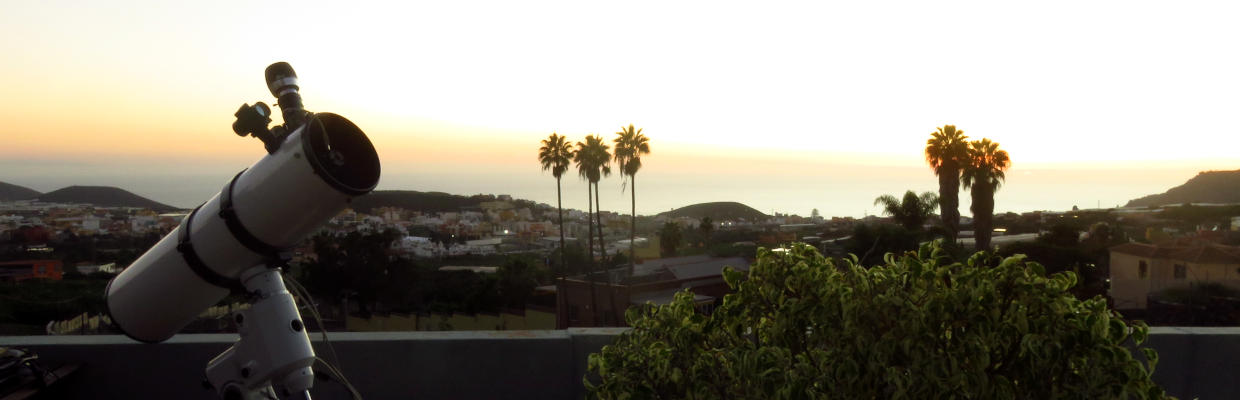
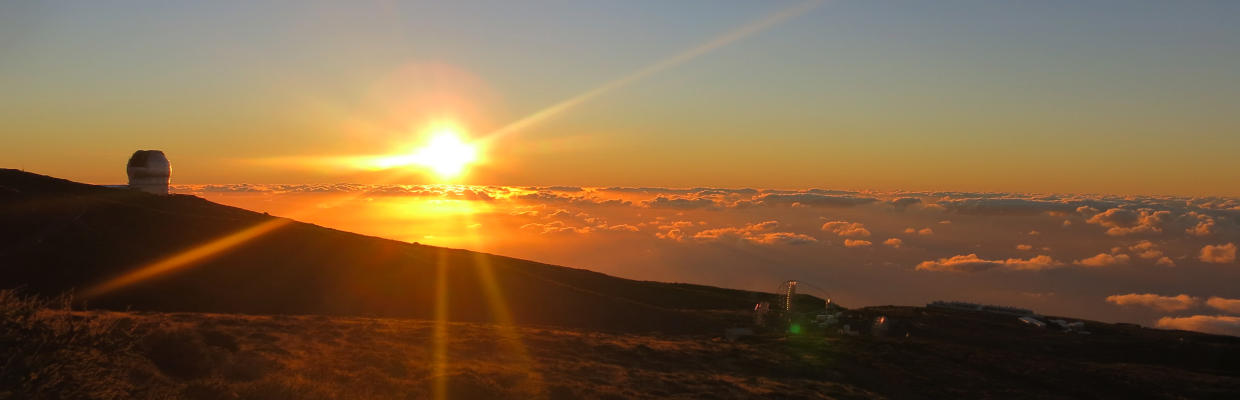
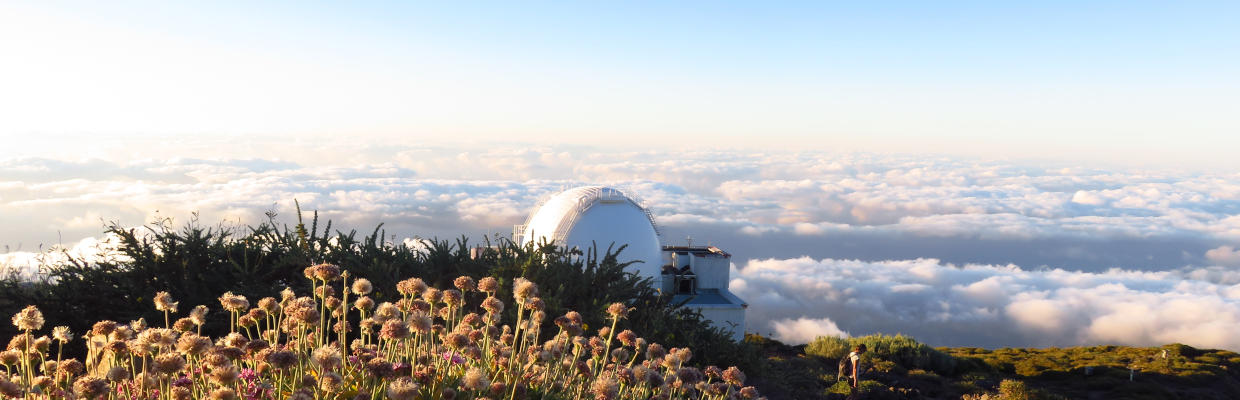
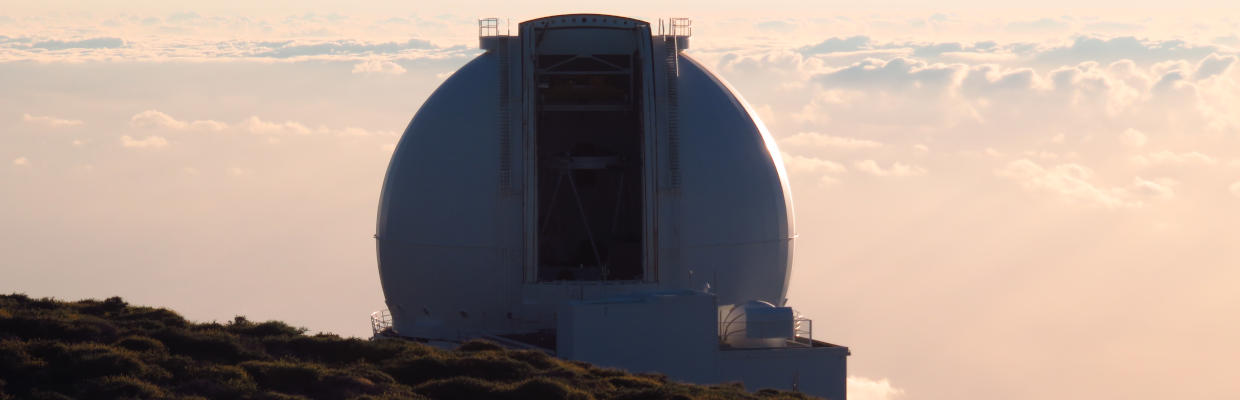
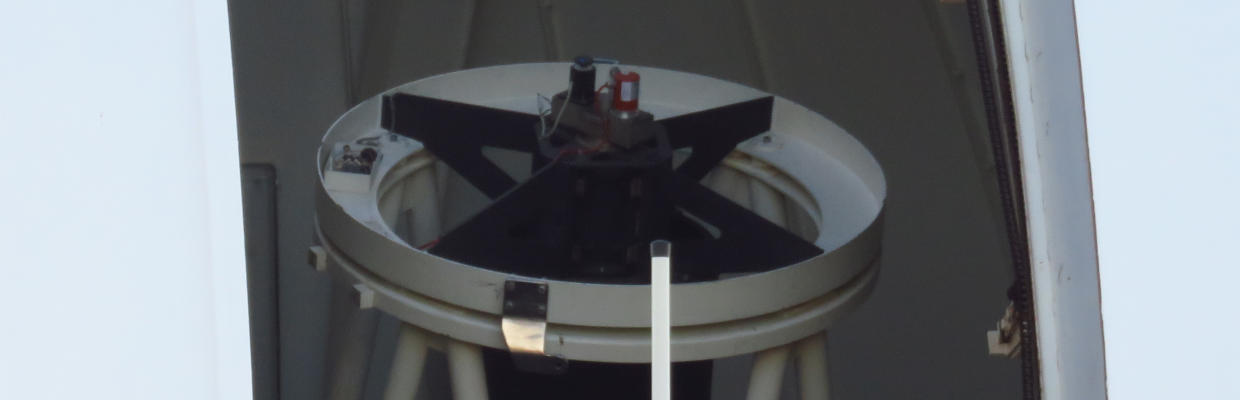
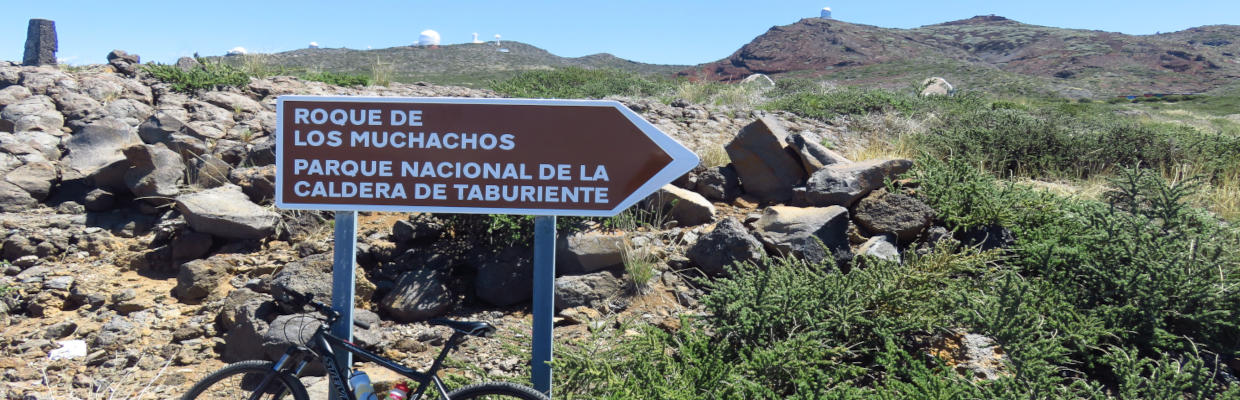
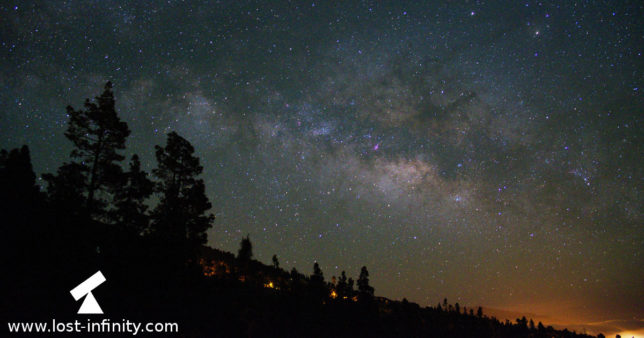
Finally, I had the chance to visit Star-Island La Palma again. My best photos from this beautiful place I want to share here.
Clear skies!
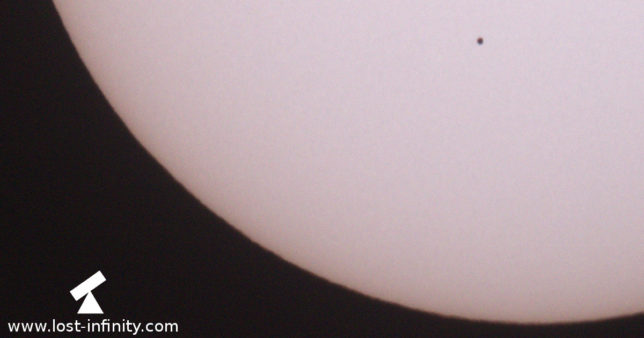
Last updated: June 16, 2022 at 13:40 pmToday was a very special day for star-gazers and astronomers. For about 7 hours the Mercury sun transit could be observed what is a quite seldom event. At 11:12 UTC Mercury started to show up in front of the sun and left again at 18:42 UTC. The little planet will not transit again until 2019 and then again 2032. More information can of course be found on wikipedia.
One of the images made it into “My Top Astro-Pics Gallery” and is also available in full resolution.
For me it was great to see the Mercury sun transit with my own eyes and again getting an idea of how huge the sun is compared to all the planets. Untrained eyes have to look twice to recognize little Mercury on the photo. Simply fantastic!
Clear skies!
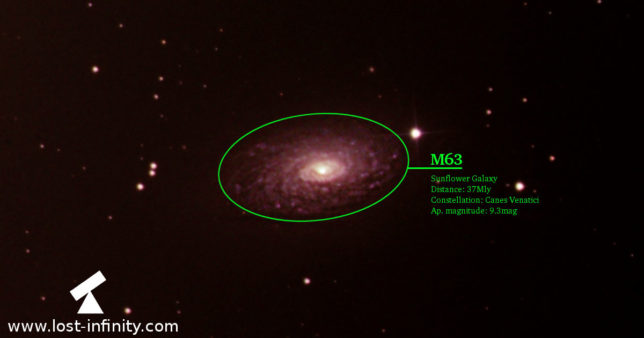
Last updated: June 16, 2022 at 13:41 pm36 million light years away – or 8.700.000.000 trips around the world! That’s the approximate distance to the Sunflower Galaxy which also has the boring acronym M63.
Tonight I decided to point my 8″ Newton telescope to this object to have a closer look. Even if I only had 2 hours of time I am still satisfied with the result. Personally, I think a sunflower looks a little different – anyway I like the shape and the structure of this object. M63 is located in constellation Canes Venatici and is not “so far” away from M51. Its apparent magnitude is about 9.3mag. Besides, I already targeted M63 a few years ago, but this new result I think is much better.
![]() | Date | 2016/05/02 |
![]() | Location | Böblingen / Germany |
![]() | Object | Sunflower Galaxy (M63) |
![]() | Camera | Atik383L+ |
![]() | Guiding | yes, QHY5-II Mono via OAG |
![]() | Telescope | 8" GSO Newtonian |
![]() | Barlow lens | none |
![]() | Mount | EQ6Syntrek |
![]() | Cooling | -15°C |
![]() | Luminance | 4x, 600s, bin: 1x1 |
![]() | Red | 4x, 150s, bin: 2x2 |
![]() | Green | 4x, 150s, bin: 2x2 |
![]() | Blue | 4x, 150s, bin: 2x2 |
![]() | Dark | 2x |
![]() | Flat | 10x |
![]() | Total exposure | ~1h10min. |
Clear skies!
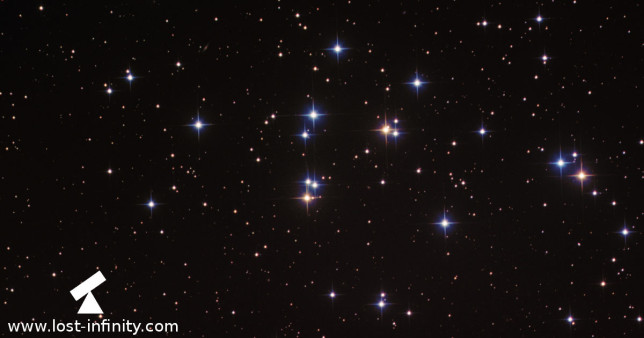
Last updated: June 16, 2022 at 14:09 pmTonight was the first time since mid of November with acceptable conditions for astropohotography… I don’t like this weather… However, this night it was good – at least until about 3am. For stacking I again used DeepSkyStacker 3.3.2 with Kappa-Sigma Clipping. Happy Easter! 🙂
![]() | Date | 2016/03/09 |
![]() | Location | Böblingen / Germany |
![]() | Object | Messier 44 (Star cluster) |
![]() | Camera | Atik383L+ |
![]() | Guiding | yes, QHY5-II Mono via OAG |
![]() | Telescope | 8" GSO Newtonian |
![]() | Barlow lens | none |
![]() | Mount | EQ6Syntrek |
![]() | Cooling | -15°C |
![]() | Luminance | 11x, 600s, bin: 1x1 |
![]() | Red | 10x, 150s, bin: 2x2 |
![]() | Green | 10x, 150s, bin: 2x2 |
![]() | Blue | 10x, 150s, bin: 2x2 |
![]() | Dark | 2x |
![]() | Flat | 10x |
![]() | Total exposure | ~2h15min. |
Clear skies!
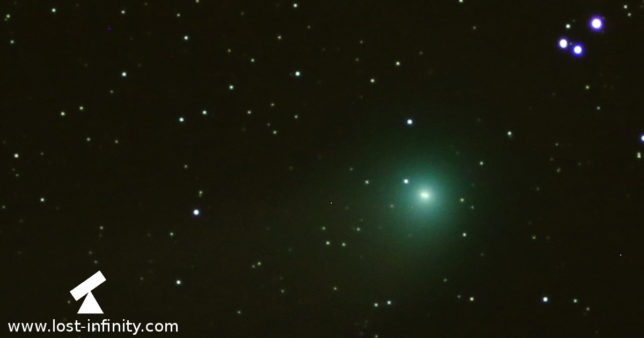
Last updated: June 16, 2022 at 14:20 pmThis single shot of comet Catalina (C/2013 US10) was taken with a modified Canon EOS6D camera on a Cassegrain Relay 400mm f/6.5 telescope in the Tacande Observatory on La Palma. The exposure time was ~5 minutes. It is amazing to see the low noise level of the picture since no averaging took place. The image is also available in full resolution.
![]() | Date | 2016/02/01 |
![]() | Location | Tacande Observatory / La Palma / Spain |
![]() | Object | Comet Catalina C/2013 US10 |
![]() | Camera | Canon EOS 6D |
![]() | Guiding | no |
![]() | Telescope | Cassegrain Relay 400mm f/6.5 |
![]() | Barlow lens | none |
![]() | Mount | Custom made equatorial fork mount |
![]() | Cooling | - |
![]() | Luminance | - |
![]() | Red | - |
![]() | Green | - |
![]() | Blue | - |
![]() | Dark | - |
![]() | Flat | - |
![]() | Total exposure | ~5m |
Clear skies!
Last updated: June 16, 2022 at 19:12 pm